
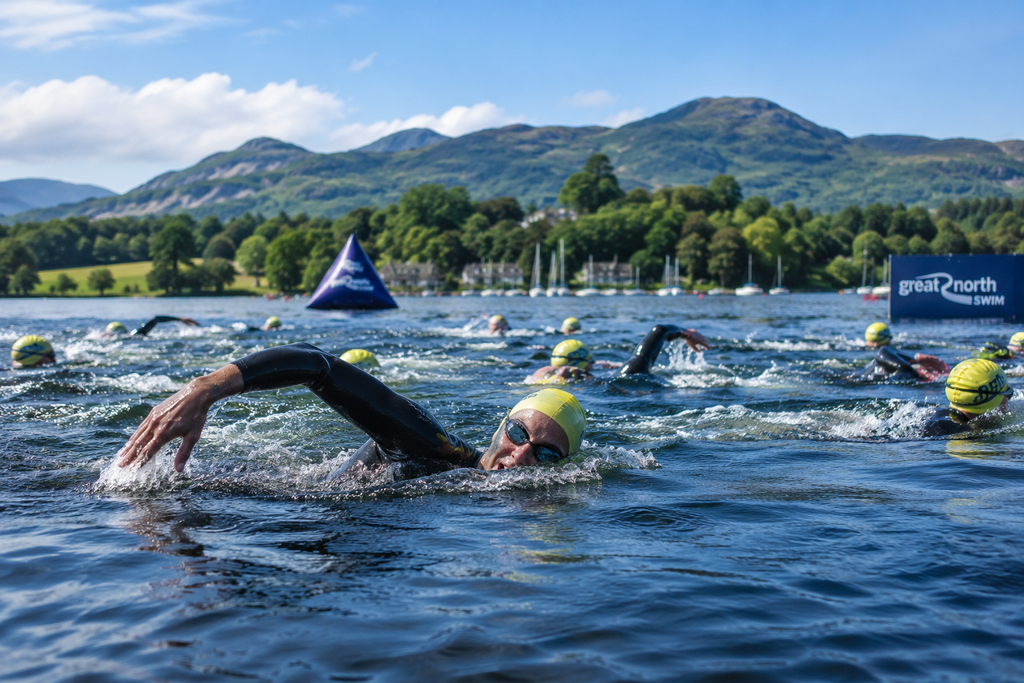
Fuelling for Open Water Swimming
How to Fuel for Open water Swimming
Whether you're taking on a 250m, 1 mile, 2 mile, 5km or 10km distance, a well-planned nutrition strategy can help you maintain energy, support performance and improve recovery.
Open water swimming presents unique nutritional challenges. Unlike running or cycling, opportunities to eat and drink during the event can be limited, making preparation essential.
Understanding the Nutritional Demands of Open Water Swimming
Open water swimming places significant demands on both energy stores and hydration status. Cooler water temperatures, changing weather conditions and prolonged continuous efforts all increase the body's nutritional requirements.
Carbohydrates remain the primary fuel source for moderate to high-intensity swimming, while adequate hydration and electrolyte intake help support muscle function, temperature regulation and endurance performance.
The longer your swim, the more important your fuelling strategy becomes.
Nutrition the Day Before the Event
The goal the day before your swim is to maximise glycogen stores while maintaining hydration.
Focus on:
- Complex carbohydrates such as rice, potatoes, oats and pasta
- Moderate amounts of lean protein
- Familiar foods that digest comfortably
- Regular fluid intake throughout the day
Avoid overeating, excessive fibre and unfamiliar foods that may cause digestive discomfort.
Athletes who are prone to cramping or heavy sweating may benefit from including an electrolyte supplement alongside their normal hydration routine.

What to Eat Before the Swim
A pre-swim meal should provide easily digestible carbohydrates without causing stomach discomfort.
Aim to eat approximately 2–3 hours before your start time.
Suitable options include:
- Porridge with honey or banana
- Toast with jam
- Bagels
- Rice-based meals
- Fruit smoothies
Keep fat and fibre intake relatively low before swimming to support comfortable digestion.
If there is a long gap between breakfast and your start time, a small carbohydrate-rich snack 30–60 minutes before entering the water can help maintain energy levels.
Fuelling During the Swim
Swims Under 60 Minutes
For most swimmers, pre-event nutrition provides sufficient energy for shorter distances. Additional fuelling during the swim is generally unnecessary.
Swims Over 60 Minutes
For longer distances, carbohydrate intake becomes increasingly important to maintain performance and delay fatigue.
Depending on event logistics and feeding opportunities, consider:
The objective is to provide a steady supply of energy without causing gastrointestinal discomfort.
As with all race nutrition, products should be tested during training rather than introduced for the first time on event day.
Nutrition Between Multiple Events
If you are competing in more than one swim across the weekend, recovery nutrition becomes a key performance factor.
When less than two hours separate efforts, prioritise rapidly absorbed carbohydrates such as:
- Energy gels
- Energy chews
- Sports drinks
- Bananas
With longer recovery periods available, include a balanced meal containing both carbohydrates and protein to support glycogen replenishment and muscle repair.
Recovery Nutrition After Swimming
Recovery should begin as soon as practical after leaving the water.
An effective recovery strategy includes:
- Carbohydrates to replenish glycogen stores
- Protein to support muscle repair and adaptation
- Fluids and electrolytes to restore hydration balance
Many swimmers find a recovery drink convenient immediately after finishing, followed by a balanced meal within the next few hours.
Although swimming takes place in water, dehydration can still occur through sweating and respiration. Replacing fluids after the event is essential, particularly if you are racing again later in the day or the following morning.
Fuelling Strategies by Distance
Short-Distance Swims
Focus on:
- Good pre-event nutrition
- Adequate hydration
- Effective post-swim recovery
Middle-Distance Swims
Focus on:
- Careful meal timing
- Optional pre-race carbohydrate top-up
- Structured recovery nutrition
Long-Distance Swims
Focus on:
- Maximising carbohydrate stores before the event
- Planned carbohydrate intake during the swim
- Consistent hydration and electrolyte replacement
- Recovery nutrition immediately after finishing
Practise Your Nutrition Strategy
Training is the ideal opportunity to refine your fuelling plan.
Use longer training sessions to test:
- Pre-swim meals
- Hydration strategies
- Energy products
- Recovery protocols
Race day should never be the first time you use a new nutrition product.
Key Takeaway
Successful Swim nutrition starts well before you enter the water. Building glycogen stores, staying hydrated, fuelling appropriately for the distance and prioritising recovery all contribute to better performance and a more enjoyable experience.
A simple, well-practised nutrition strategy can make a significant difference to how strong, comfortable and confident you feel throughout your swim.