
Buffered Vitamin C vs Ascorbic Acid: What Is the Difference?
Not all vitamin C supplements use the same form of vitamin C. Many basic tablets rely on ascorbic acid alone, while others use buffered forms such as calcium ascorbate.
For athletes and active adults, this can be useful to understand — particularly if you take vitamin C daily and want a formula designed around more than a single basic ingredient.
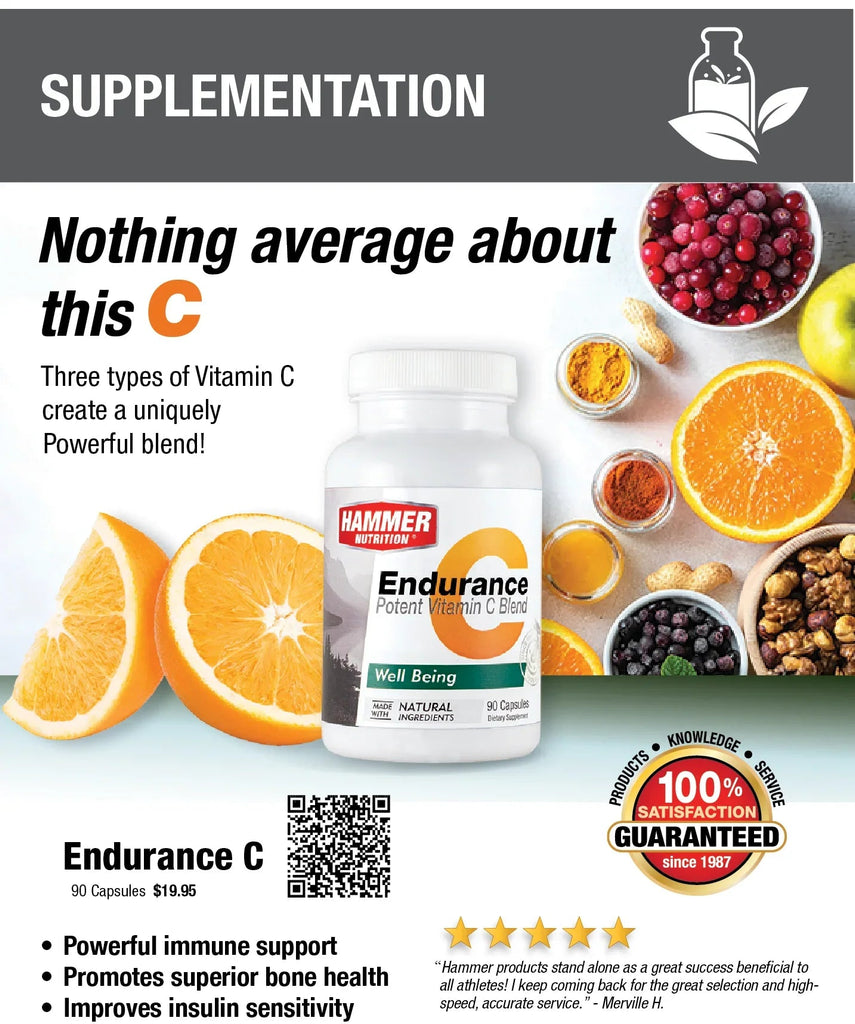
Endurance C combines buffered calcium ascorbate with ascorbyl palmitate, a fat-soluble form of vitamin C, alongside citrus bioflavonoids, hesperidin, quercetin and rose hips.
What Is Ascorbic Acid?
Ascorbic acid is a common form of vitamin C used in foods and supplements. It is water-soluble and widely available in basic vitamin C tablets, powders and drinks.
Vitamin C contributes to normal immune-system function, protection of cells from oxidative stress, reduction of tiredness and fatigue, and normal collagen formation for the normal function of cartilage, bones, skin and blood vessels.
Ascorbic acid can be an effective way to provide vitamin C. However, it is naturally acidic, which is why some people prefer a buffered alternative for regular use.
What Is Buffered Vitamin C?
Buffered vitamin C is vitamin C combined with a mineral to reduce the acidity associated with pure ascorbic acid. Calcium ascorbate is one example.
In calcium ascorbate, vitamin C is combined with calcium. This creates a less acidic form of vitamin C, which may be appealing to people who prefer a gentler daily supplement format.
CALCIUM ASCORBATE AT A GLANCE
A buffered form of vitamin C
Less acidic than pure ascorbic acid
Also provides calcium
Used in Endurance C as part of a broader vitamin C formula
Everyone responds differently to supplements, so the right choice is the one that fits your diet, preferences and routine.
Buffered Vitamin C vs Ascorbic Acid
| Feature | Ascorbic Acid | Buffered Vitamin C / Calcium Ascorbate |
|---|---|---|
| Vitamin C form | Water-soluble vitamin C | Vitamin C combined with calcium |
| Acidity | Naturally acidic | Buffered and less acidic |
| Typical use | Common basic vitamin C supplements | Premium or gentle daily vitamin C formulas |
| Additional mineral | None by default | Provides calcium as part of the compound |
What Is Ascorbyl Palmitate?
Ascorbyl palmitate is a fat-soluble form of vitamin C. It is created by combining ascorbic acid with palmitic acid.
Most basic vitamin C products provide one water-soluble form only. Endurance C includes ascorbyl palmitate alongside buffered calcium ascorbate, giving the formula two complementary forms of vitamin C.
This is one reason Endurance C is positioned as a premium formula rather than a basic single-source tablet.
Why Does Endurance C Use Two Forms of Vitamin C?
Endurance C was designed for athletes and active adults who want a broader daily vitamin C formula.
Instead of relying on one standard source, it combines:
- Buffered calcium ascorbate
- Fat-soluble ascorbyl palmitate
- Citrus bioflavonoids
- Hesperidin
- Quercetin
- Rose hips
This broader ingredient profile is the key difference between Endurance C and a basic supermarket vitamin C tablet.
View the complete Endurance C formula here.
Why Vitamin C Matters for Athletes
Vitamin C contributes to normal immune-system function, protection of cells from oxidative stress, reduction of tiredness and fatigue, and normal collagen formation.
For runners, cyclists and triathletes, these are useful nutritional functions to consider as part of a consistent food-first approach.
Vitamin C should not be presented as a cure for illness, an injury treatment or a replacement for sufficient food, sleep and recovery. It is one nutrient within a much bigger training and health picture.
Read our Vitamin C for Athletes guide for the full endurance-sport context.
Buffered Vitamin C During Winter Training
Winter can make day-to-day nutrition harder to manage. Shorter daylight hours, travel, indoor sessions, heavy training blocks and busy schedules can all disrupt good routines.
Endurance C provides a convenient way to maintain a consistent vitamin C intake through winter, alongside a varied diet and good recovery habits.
For a broader winter approach, pair Endurance C with Enduro D, which provides vitamin D3 with vitamins K2 MK-4 and MK-7.
Read our Winter Immune Support guide for practical nutrition, training and recovery considerations.
How to Use Endurance C
Follow the product label. Endurance C is taken as three capsules per day, preferably in divided doses.
Taking it with meals is a simple way to make daily use consistent. On training days, the label suggests one capsule before training and two capsules after training.
Frequently Asked Questions
Is buffered vitamin C better than ascorbic acid?
Neither form is automatically “better” for every person. Buffered vitamin C is less acidic than pure ascorbic acid, which some people prefer for regular supplementation.
Does calcium ascorbate contain vitamin C?
Yes. Calcium ascorbate is a buffered form of vitamin C combined with calcium.
Why does Endurance C include ascorbyl palmitate?
Ascorbyl palmitate is a fat-soluble form of vitamin C. Endurance C uses it alongside calcium ascorbate as part of its two-form vitamin C formula.
Can I take buffered vitamin C with other supplements?
Always follow the label directions and consider the nutrients you receive from all supplements. If you take prescription medication, are pregnant or breastfeeding, have a medical condition or are unsure what is suitable for you, speak with a qualified healthcare professional.
Choose a Broader Vitamin C Formula
Shop Endurance C and view the full product information here.