
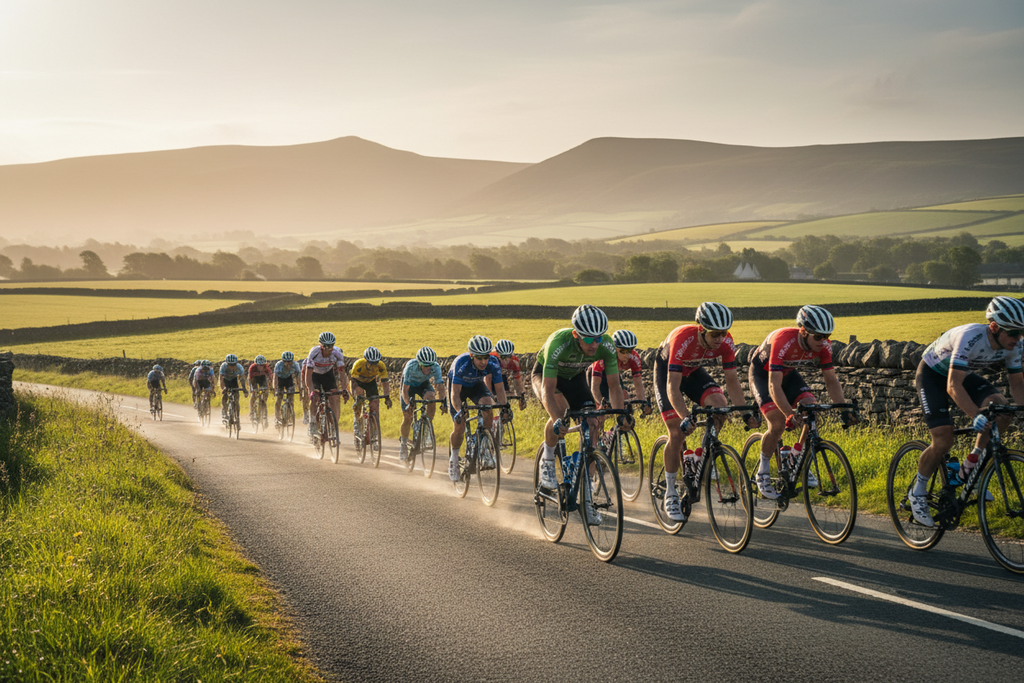
How to Fuel a 100-Mile Sportive | Cycling Nutrition Plan
How to Fuel a 100-Mile Sportive
A 100-mile sportive is long enough that fuelling mistakes become expensive. What works for a short ride often falls apart after four, five or six hours, especially once climbs, wind, heat and fatigue begin to accumulate.
The aim is not to eat as much as possible. It is to take in enough fuel, fluid and electrolytes to support a sustainable effort without overloading your stomach.
This guide gives you a practical Hammer Nutrition strategy for fuelling a 100-mile sportive, including what to eat before the start, what to use on the bike, how to manage hydration and electrolytes, and how to recover afterwards.
Quick 100-Mile Sportive Fuelling Plan
| Ride phase | Fuel | Hydration | Electrolytes | Hammer solution |
|---|---|---|---|---|
| Before start | Familiar pre-ride meal | Start normally hydrated | As tested | Hammer Gel if required |
| First 2 hours | Steady, moderate intake | Drink according to conditions | Begin early | HEED + Hammer Gel + Endurolytes |
| 2–5 hours | Consistent long-duration fuel | Plain water separately where possible | Continue consistently | Perpetuem + Endurolytes |
| 5+ hours | Maintain intake and add variety if needed | Adjust to temperature and sweat rate | Increase only if conditions require | Perpetuem + Hammer Gel + Endurolytes |
| After finish | Carbohydrate + protein | Rehydrate steadily | Replace losses as needed | Recoverite |
Your exact requirements will vary with pace, body size, fitness, temperature, climbing, wind and how long the sportive actually takes you to complete.
Why 100 Miles Needs a Different Fuelling Plan
A 100-mile ride is not simply a longer version of a two-hour training ride.
Once you move beyond three hours, the cumulative demands of exercise become far more important.
You are dealing with:
- Progressive glycogen depletion
- Increasing muscular fatigue
- Longer exposure to heat or cold
- Repeated climbs and changes in intensity
- Greater fluid and electrolyte losses
- More opportunities for stomach problems
- Potentially six, seven or more hours in the saddle
The longer the sportive, the more important it becomes to use a simple, repeatable nutrition strategy rather than reacting to hunger and fatigue after they appear.
Before the Ride
2–3 Hours Before the Start
Eat a normal pre-ride meal that you know digests comfortably.
The best pre-event meal is not the one with the biggest carbohydrate number. It is the one you can digest comfortably and have already used successfully before long rides.
Avoid turning the morning of your sportive into an eating competition.
Keep the meal familiar and avoid excessive amounts of:
- Fat
- Fibre
- Heavy protein
- Unfamiliar foods
- Large quantities of simple sugar
Begin the ride normally hydrated rather than trying to force large amounts of water immediately before the start.
10–20 Minutes Before the Start
If required, one Hammer Gel with water can provide a convenient final pre-ride energy top-up.
From that point, begin your planned nutrition early rather than waiting until you feel hungry.
The First 2 Hours
The beginning of a sportive often feels deceptively easy.
This is where riders commonly make one of two mistakes:
- Eating far too much because they are worried about the distance ahead
- Eating nothing because they feel fresh
Neither approach is ideal.
Start your fuelling early and keep it steady.
A Simple Opening Strategy
HEED can provide carbohydrate and fluid during the opening portion of the ride.
Hammer Gel can be added where additional energy is required.
Endurolytes allow your electrolyte intake to be managed separately from calories.
This gives you flexibility if the weather changes or you begin sweating more heavily as the ride develops.
From 2 to 5 Hours
As the ride moves deeper into the day, consistent fuelling becomes increasingly important.
For long sportives, this is where Perpetuem becomes particularly useful.
Perpetuem was developed for prolonged endurance exercise and combines complex carbohydrate with soy protein and fat.
It is especially useful when:
- You are riding for several hours
- You want to simplify what you carry
- You prefer liquid fuel to constant eating
- You want to avoid relying on large amounts of sugary food
- You need a consistent source of calories over a long period
Use a Multi-Hour Perpetuem Bottle
One of the most practical strategies for a 100-mile sportive is to prepare a concentrated multi-hour Perpetuem bottle.
For example, if you prepare enough Perpetuem for four hours, divide the bottle visually into four equal sections.
Hour 1: Consume approximately ¼
Hour 2: Consume another ¼
Hour 3: Consume another ¼
Hour 4: Finish the bottle
Carry plain water separately.
This allows you to control your calories and hydration independently.
Why Separate Fuel From Hydration?
Your calorie needs and your water needs do not always move together.
On a hot day you may need significantly more fluid without needing significantly more calories.
On a cool day you may need less fluid while still requiring steady fuel.
If all your calories are mixed into every bottle, it becomes harder to adjust one without changing the other.
For longer sportives, a simple system works well:
Fuel bottle: Perpetuem concentrate
Hydration bottle: Plain water
Electrolytes: Endurolytes separately
This gives you much greater control as weather and intensity change.
A Practical 6-Hour Sportive Plan
This is an example framework rather than a rigid prescription.
Hour 1
HEED
Water as required
Endurolytes
Hour 2
HEED and/or Hammer Gel
Water
Endurolytes
Hour 3
Begin Perpetuem
Plain water
Endurolytes
Hour 4
Perpetuem
Plain water
Endurolytes
Hour 5
Perpetuem
Hammer Gel if you want flavour or texture variation
Plain water
Endurolytes
Hour 6
Perpetuem or Hammer Gel depending on your tested plan
Plain water
Endurolytes
The objective is not to continually chase calories. It is to maintain a steady intake that your body can process comfortably.
What If Your 100-Mile Sportive Takes 7–9 Hours?
The slower the ride, the more important digestive comfort becomes.
You are not simply fuelling exercise. You are asking your digestive system to function while your body is working for most of the day.
For this duration, keep your system simple.
A strong long-distance setup could include:
- Perpetuem as your primary long-duration fuel
- Hammer Gel for variety or convenience
- Plain water
- Endurolytes or Endurolytes Extreme
- A small amount of tested solid food if desired
Do not suddenly change your nutrition strategy simply because a feed station offers cakes, sweets, fizzy drinks and unfamiliar foods.
If you have trained with a plan that works, keep using it.
How Much Should You Drink?
There is no single fluid target that is correct for every cyclist.
Your fluid requirements are influenced by:
- Temperature
- Humidity
- Body size
- Sweat rate
- Intensity
- Wind
- Climbing
- Clothing
Drink according to your tested requirements and the conditions rather than forcing fluid simply to reach a predetermined number.
Practise your hydration strategy on long training rides in different weather conditions.
Electrolytes During a 100-Mile Sportive
A long ride can involve several hours of sweating, so electrolyte replacement should be part of the plan from the beginning.
Hammer's Endurolytes range allows you to manage electrolytes independently of calories and fluid.
This is particularly useful during a century ride because your requirements can change as the temperature rises or your sweat rate increases.
Normal Conditions
Use your tested Endurolytes strategy.
Hot Conditions or Heavy Sweating
Your requirements may increase.
Endurolytes Extreme provides a higher-potency option for demanding conditions and heavy sweaters.
The important point is to adjust according to the conditions and your own experience rather than treating one dosage as correct for every ride.
What to Do at Feed Stations
Feed stations are useful, but they should support your plan rather than replace it.
Use them primarily to:
- Refill water
- Top up bottles
- Collect any nutrition you have arranged
- Take a brief mental reset
Be careful about suddenly consuming large amounts of unfamiliar food simply because it is available.
Your digestive system does not care that the cake is free.
If you have trained successfully with HEED, Hammer Gel and Perpetuem, there is little reason to abandon the system halfway through the ride.
Climbing and Fuelling
Do not leave all your eating and drinking until the hardest climbs.
Technical or steep sections can make eating difficult and may reduce digestive comfort.
Instead, look ahead and take fuel on easier sections before the major climbs where possible.
The same applies before fast descents, where taking your hands off the bars may be unsafe.
Plan your intake around the course rather than blindly following the clock.
Carry an Emergency Reserve
A century ride can take longer than expected.
Headwinds, punctures, mechanical problems, long queues at feed stations or simply a harder-than-expected course can add substantial time.
Always carry a small reserve.
A practical emergency backup could include:
- 1–2 extra Hammer Gels
- Additional Endurolytes
- A small amount of extra Perpetuem or Perpetuem Solids
It is far better to finish with one unused gel than run out of fuel twenty miles from home.
After the Finish
Once you stop riding, recovery begins.
A 100-mile sportive places significant demands on glycogen stores and muscle tissue.
Recoverite combines carbohydrate and whey protein in a 3:1 carbohydrate-to-protein ratio and is designed specifically for post-endurance recovery.
Take Recoverite soon after finishing, then continue with normal food and fluids as your appetite returns.
Continue replacing fluids and electrolytes according to your losses and conditions.
100-Mile Sportive Checklist
- Pre-ride meal tested in training
- HEED prepared
- Perpetuem multi-hour bottle prepared if required
- Plain water bottle ready
- Hammer Gels packed
- Endurolytes packed
- Extra emergency fuel carried
- Feed stations identified
- Weather forecast checked
- Hot-weather electrolyte strategy planned if necessary
- Recoverite ready for after the finish
Nothing important should be tested for the first time on event day.
The Hammer Approach to a 100-Mile Sportive
A successful century ride is not about forcing the highest possible carbohydrate intake every hour.
It is about finding the minimum effective amount of fuel that supports your performance while remaining comfortable and sustainable.
For the opening part of the ride, HEED, Hammer Gel and Endurolytes provide a simple system.
As the ride extends beyond three hours, Perpetuem can become the foundation of your long-duration fuelling strategy.
Keep hydration flexible with plain water, adjust electrolytes according to the conditions and carry a small emergency reserve.
Most importantly, practise the exact plan on your long training rides.
By the time you reach the start line, your nutrition strategy should feel routine.
Shop 100-Mile Sportive Nutrition
HEED → Complex-carbohydrate endurance drink
Hammer Gel → Portable endurance fuel
Endurolytes → Complete electrolyte support
Perpetuem → Long-distance endurance fuel
Recoverite → Post-endurance recovery
Related Guides
Best Sports Drink for Cycling →