
MAGNESIUM'S MAJOR ROLE IN MENTAL HEALTH
BY: STEVE BORN
A total of 126 participants (48 men and 78 women, average age 52) who had been diagnosed with mild-to-moderate depression took part in a trial conducted earlier this year at the University of Vermont’s Larner College of Medicine.
The study used a 12-week, two-phase design:
- Group 1: Took a daily magnesium supplement providing 248 mg of elemental magnesium (from magnesium chloride) for six weeks, then had six weeks with no magnesium supplementation.
- Group 2: Had no magnesium supplementation for the first six weeks, then took the same 248 mg daily dose for the remaining six weeks.
Participants’ anxiety and depression symptoms were assessed at the start of the study, and then monitored every two weeks during the 12-week period using questionnaires and phone interviews.
Results
In both groups, magnesium supplementation significantly reduced anxiety and depression scores, with benefits appearing within the first two weeks. During the six-week period with no supplementation, neither group saw improvements in anxiety or depression scores. Researchers also noted that magnesium supplementation reduced headaches compared to no supplementation.
In both groups, magnesium supplementation significantly reduced anxiety and depression scores, with benefits appearing within the first two weeks. During the six-week period with no supplementation, neither group saw improvements in anxiety or depression scores. Researchers also noted that magnesium supplementation reduced headaches compared to no supplementation.
Conclusion:
The study concluded that magnesium is effective for mild-to-moderate depression in adults. It appears to work quickly, is well tolerated, and does not require close monitoring for toxicity.
Commentary from the researchers
Lead study author Emily K. Tarleton stated:
This is the first randomised clinical trial looking at the effect of magnesium supplementation on symptoms of depression in U.S. adults. The results are very encouraging, given the great need for additional treatment options for depression, and our finding that magnesium supplementation provides a safe, fast and inexpensive approach to controlling depressive symptoms."
Dr. Paul Hrkal wrote that magnesium is involved in over 300 biochemical processes in the body. One of its most important roles is supporting energy production, making it essential for cellular functions and processes. Magnesium also helps maintain normal muscle and nerve function, keeps heart rhythm regular, supports a healthy immune system, and helps keep bones strong. Because of its broad biological activity and range of benefits, it may help address several common conditions, including fibromyalgia, chronic pain, diabetes, osteoporosis, cardiovascular disease, and headaches.
This new study confirms that magnesium also plays a significant role in mental health.
Product note:
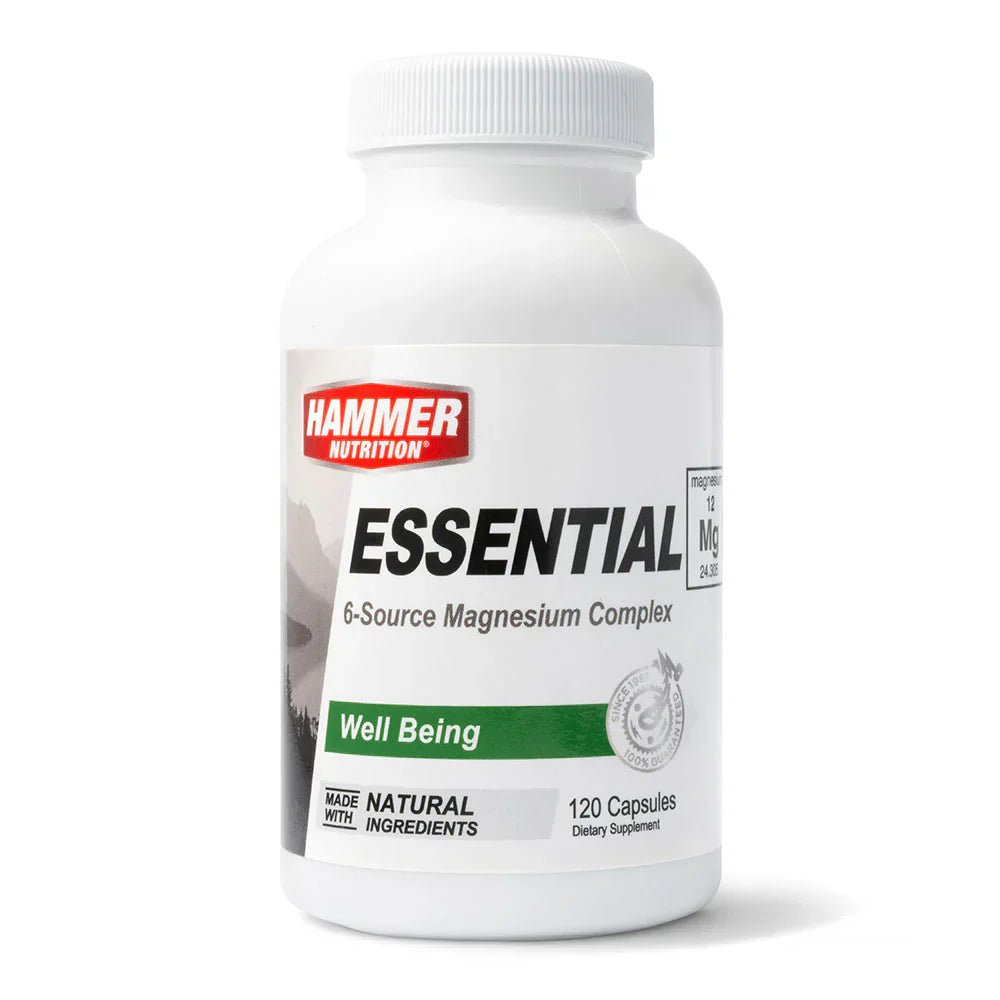
Hammer Nutrition’s Essential Mg contains five well-absorbed forms of magnesium, with each capsule supplying 100 mg of elemental magnesium. One form included is magnesium bisglycinate—magnesium chelated (bonded) to the amino acid glycine, which is regarded as a calming amino acid. Because both magnesium and glycine may have calming and relaxing effects, this combination may be even more effective in alleviating anxiety and symptoms of depression than the magnesium chloride used in the study.
REFERENCES: