
Less Is Best – The Right Way to Fuel Endurance
By Steve Born
One of the biggest myths in endurance sports is the belief that you must replace everything you lose while exercising. Many sports nutrition companies promote this idea, encouraging athletes to replace every calorie burned, every drop of sweat and every milligram of sodium lost during training and racing.
At Hammer Nutrition, we've spent nearly four decades helping endurance athletes fuel successfully, and our experience, combined with scientific research, tells a very different story.
The truth is simple: your body cannot absorb nutrients at the same rate that it uses them.
Trying to replace everything you lose often causes more problems than it solves. Instead, Hammer Nutrition follows a proven philosophy called "Less Is Best." The goal is not to replace everything you burn, but to provide your body with the amount of fuel, fluids and electrolytes it can comfortably absorb and use.
This approach has helped thousands of cyclists, runners, triathletes and ultra-endurance athletes enjoy better energy, fewer stomach problems and more consistent race performances.
Why Replacing Everything You Lose Doesn't Work
During endurance exercise, your body works incredibly hard.
Blood is directed towards your working muscles, heart, lungs and brain. Sweat production increases to cool your body, while energy stores are constantly being used to power your muscles.
During this time, digestion is no longer your body's main priority.
Although you may burn 700 to 900 calories per hour, lose over one litre of fluid, and sweat out significant amounts of sodium, your digestive system simply cannot absorb nutrients at that same rate.
This is one of the biggest misunderstandings in sports nutrition.
Many athletes mistakenly assume that because they lose large amounts, they should consume equally large amounts. Unfortunately, this often results in bloating, stomach cramps, nausea, vomiting or diarrhoea—common reasons athletes slow down or fail to finish endurance events.
Fuel What Your Body Can Absorb
Hammer Nutrition believes your fueling strategy should be based on what your body can assimilate, not on what it loses.
Research and decades of practical experience show that the average endurance athlete can comfortably absorb approximately:
|
Nutrient |
Typical Loss Per Hour |
Effective Intake Per Hour |
|
Calories |
700–900 |
150–280 |
|
Fluids |
1000–3000 ml |
500–830 ml |
|
Sodium |
Up to 2000 mg |
100–600 mg |
These figures vary depending on body size, training status, weather conditions and exercise intensity, but they provide an excellent starting point for most endurance athletes.
Your body is remarkably efficient at coping with temporary deficits during exercise. Fat stores provide a significant proportion of your energy needs, while sophisticated hormonal systems carefully regulate fluid balance and electrolyte concentrations.
Trying to overwhelm these natural systems rarely improves performance.
Why Eating Too Much Causes Problems
Many endurance athletes believe more fuel equals more energy.
Unfortunately, the opposite is often true.
Your stomach can only process a limited amount of food and drink during exercise. When more calories are consumed than the digestive system can absorb, they remain in the stomach.
Instead of providing extra energy, excess fuel often causes:
- Bloating
- Nausea
- Stomach cramps
- Gastric shutdown
- Vomiting
- Diarrhoea
High intakes of simple sugars make these problems even more likely because concentrated sugar solutions slow stomach emptying and place additional stress on the digestive system.
This is one reason Hammer Nutrition has always favoured complex carbohydrates over high-sugar formulations.
Hydration: More Isn't Always Better
Hydration is essential, but drinking too much can be just as harmful as drinking too little.
Many athletes assume they should replace every drop of sweat they lose. In reality, your body regulates fluid balance very effectively during exercise.
Drinking beyond what your body can comfortably absorb may lead to stomach discomfort and, in extreme cases, contribute to exercise-associated hyponatraemia, where blood sodium levels become dangerously diluted.
Instead of forcing fluids, drink steadily throughout your session based on thirst, environmental conditions and your individual needs.
For most athletes, consuming 500 to 830 ml of fluid per hour provides an excellent starting point.
Electrolytes Should Complement Your Fueling
Electrolytes are important, especially sodium, potassium, calcium and magnesium.
However, the goal is not to replace every milligram lost through sweat.
Hammer Nutrition recommends replacing electrolytes in moderate amounts that work with your body's natural regulation systems.
Products such as Endurolytes®, Endurolytes Extreme® and Endurolytes Fizz® allow athletes to adjust electrolyte intake according to weather conditions, exercise intensity and personal sweat rates without consuming excessive sodium.
Fueling the Hammer Nutrition Way
Hammer Nutrition's products were developed around the Less Is Best philosophy.
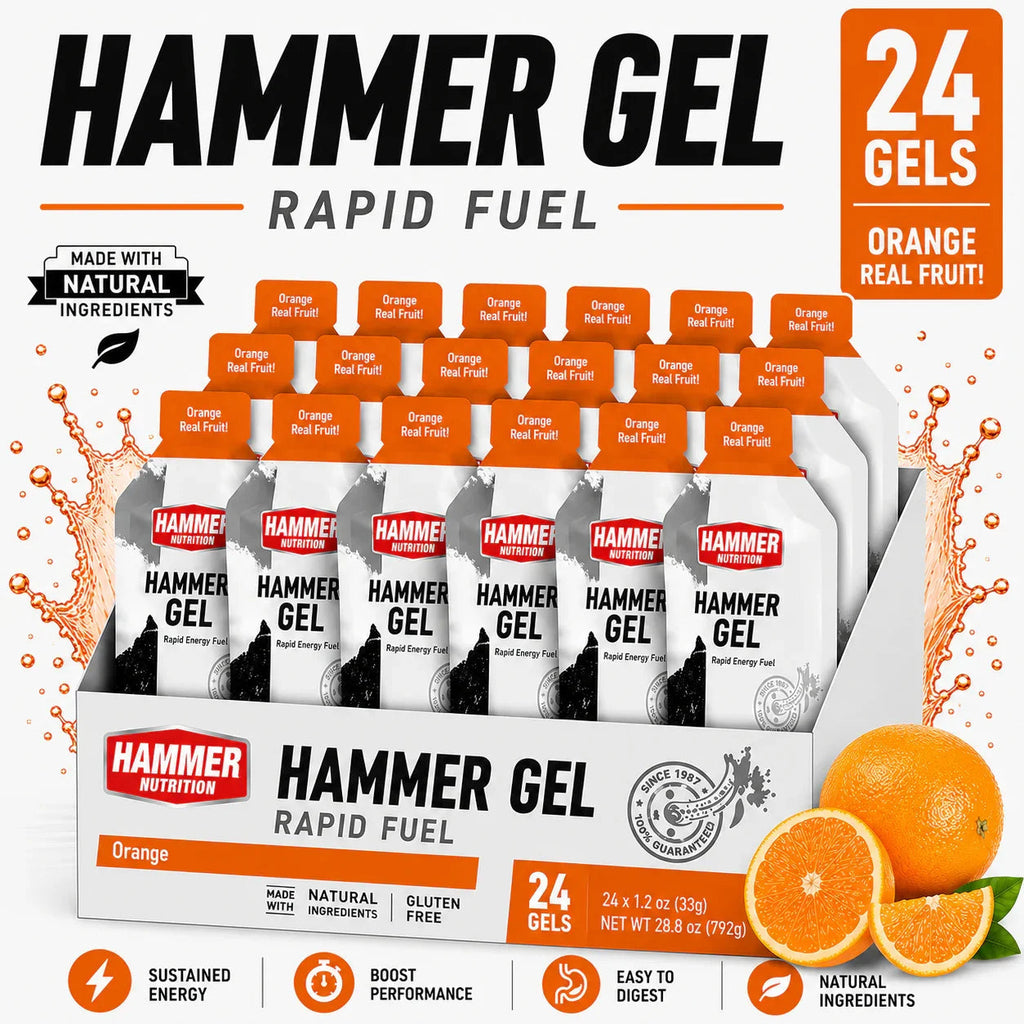
For shorter sessions under approximately three hours, HEED Sports Drink and Hammer Gel provide clean, easily digested energy from complex carbohydrates without large amounts of refined sugars.
For endurance exercise lasting longer than three hours, Perpetuem becomes the preferred fuel because it combines complex carbohydrates, non-GMO soy protein and healthy fats to provide sustained energy while helping reduce muscle breakdown.
Athletes who enjoy eating during long events can add Perpetuem Solids, which provide the same proven formula in an easy-to-carry chewable tablet.
Electrolytes can then be adjusted independently using the Endurolytes range according to individual requirements.
Separating calories, hydration and electrolytes gives athletes far greater flexibility than products that combine everything into one fixed formula.
Every Athlete Is Different
There is no single fueling plan that works for everyone.
Body weight, age, fitness, weather conditions, race intensity and acclimatisation all influence your nutritional requirements.
Running, for example, generally requires fewer calories than cycling because the greater impact places additional stress on digestion.
Hot weather often means slightly higher fluid and electrolyte requirements but may also reduce the number of calories your stomach comfortably tolerates.
The best fueling plans are developed during training—not on race day.
Practise your nutrition strategy during long rides and runs so you understand exactly what works for your body.
Hammer Nutrition's Recommended Starting Point
While individual needs vary, the following guidelines provide an excellent starting point for most endurance athletes:
- Calories: 150–280 calories per hour.
- Fluids: 500–830 ml per hour.
- Electrolytes: Approximately 100–600 mg sodium per hour, depending on conditions and sweat rate.
Remember that these are starting points. Fine-tune them through training until you find the combination that delivers steady energy and comfortable digestion.
Common Fueling Mistakes
Many endurance athletes experience avoidable problems simply because they overfuel.
Common mistakes include:
- Waiting until you feel hungry before eating.
- Drinking excessive amounts of fluid.
- Consuming more than 300 calories per hour.
- Using high-sugar energy products.
- Taking far more sodium than your body requires.
- Trying a completely new fueling strategy on race day.
Avoiding these mistakes can significantly improve both comfort and performance.
Summary
The goal of endurance fueling is not to replace everything you lose.
Your body is designed to operate with a temporary energy, fluid and electrolyte deficit during prolonged exercise. Trying to completely replace those losses often overwhelms your digestive system and reduces performance rather than improving it.
Hammer Nutrition's Less Is Best philosophy has been successfully used by endurance athletes for nearly 40 years because it works with your body's natural physiology instead of fighting against it.
Provide your body with moderate amounts of calories, fluids and electrolytes that it can comfortably absorb, fuel consistently throughout your event, and fine-tune your strategy during training.
Whether you're preparing for a sportive, marathon, ultra-run or Ironman triathlon, following this proven approach can help you enjoy steadier energy, better digestion and stronger performances from start to finish.
Shop Hammer Fuel
Hammer Gel® – Fast-acting complex carbohydrate energy gel for running, cycling and triathlon.
Perpetuem® – Sustained energy from carbs, protein and fats for efforts over 2 hours.
HEED – Citric acid-free sports drink with steady energy and electrolytes.
Browse all during-workout fuel →
Read Next
Complex Carbs vs Simple Sugars for Endurance Athletes
Know Your Minimum Calories Per Hour
Caloric Intake for Endurance Athletes – How Much Is Enough?
Fructose in Energy Fuels: Rationale and Implications