
How to Plan Electrolytes for Hot Weather Running, Cycling and Triathlon
Hot-weather training changes the demands of running, cycling and triathlon. Higher temperatures and humidity can increase sweating, make drinking less comfortable and make it more important to arrive with a hydration and fuelling plan you have already tested.
There is no one-size-fits-all formula. Your requirements depend on the conditions, session duration, intensity, acclimatisation, body size, sweat rate, diet and individual response.
The goal is not to copy another athlete’s plan. It is to build a practical routine that works for you in training before you rely on it in an event.
Why Hot Weather Changes Your Plan
When it is warm or humid, most athletes sweat more. Sweat contains fluid and electrolytes, which means your normal cool-weather approach may not feel right during summer training, overseas events or an unexpected heatwave.
Hot conditions can also affect:
- How much fluid you feel comfortable drinking
- How often you want to refill bottles or hydration packs
- Your appetite for gels, bars and solid food
- How much electrolyte support you may want to test
- The pace and intensity you can sensibly maintain
Start preparing early. Waiting until you are already struggling in the heat makes it harder to make good decisions.
The Three Parts of a Hot-Weather Endurance Plan
A simple hot-weather plan has three connected parts:
1. FLUIDS
Plan how you will carry, drink and refill fluids for the duration of your session or event.
2. ELECTROLYTES
Choose a format and approach that suits your conditions, sweat losses and wider hydration plan.
3. FUEL
Plan your carbohydrate intake separately or use a sports drink that provides energy and electrolytes together.
Keeping these elements clear makes it easier to adapt when the weather changes. You may need more fluid, a different electrolyte format or simpler fuel choices — but you should make those adjustments through training, not guesswork on race day.
Choosing an Electrolyte Option for Heat
For athletes looking for a higher-sodium option in hot conditions or during longer sessions, Endurolytes Extreme provides six electrolytes in a capsule format.
Endurolytes Extreme contains three times more sodium and potassium per capsule than standard Endurolytes. It is intended for athletes with higher electrolyte demands, including hot-weather training, heavy sweating and longer endurance events.
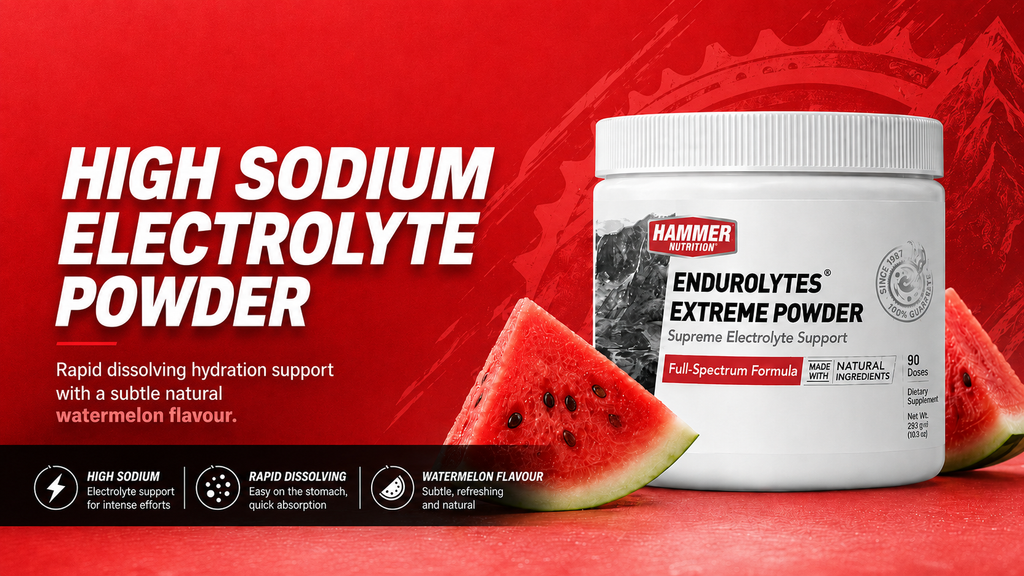
If you prefer to drink your electrolytes, Endurolytes Extreme Powder provides a higher-sodium powder to mix into your water bottle or hydration pack.
| Option | Format | May suit |
|---|---|---|
| Endurolytes | Balanced capsule | Everyday endurance training and moderate conditions |
| Endurolytes Extreme | Higher-sodium capsule | Hot weather, heavy sweating and longer events |
| Endurolytes Extreme Powder | Higher-sodium powder | Athletes who prefer to mix electrolytes into their bottle |
| Endurolytes Fizz | Effervescent tablet | Convenient bottle hydration with a standard electrolyte format |
Train Your Plan Before Race Day
Do not wait for your most important event to discover whether a hydration strategy suits you. Use long runs, long rides and hotter training days to build experience gradually.
Keep notes after your sessions:
- How long you trained
- Temperature and humidity
- What you drank
- Which electrolyte product and format you used
- What fuel you consumed
- How you felt during and after the session
This simple record can help you learn what works for your own body and conditions over time.
Practical Tips for Hot-Weather Running
Running in heat can make carrying enough fluid difficult, particularly on long routes. Plan your route around refill points, carry a hydration vest or bottles where appropriate, and reduce your expectations around pace when conditions are challenging.
For longer runs, practise the exact products, bottle setup and fuel you intend to use on race day. If you use capsules, ensure they stay dry. If you use powder or tablets, test the bottle concentration and flavour before the event.
Practical Tips for Hot-Weather Cycling
Cyclists can usually carry more fluid, but long summer rides can still require a careful refill plan. Know where your water stops are, carry an extra tube of tablets or powder if needed, and avoid relying on a café stop that may not be open.
Consider whether you want to separate electrolytes from your calories. Capsules can work well with plain water and food or gels; a powder or tablet can be convenient when you prefer electrolytes in your bottle.
Practical Tips for Hot-Weather Triathlon
Triathlon adds transitions, aid stations and three different environments to your hydration plan. Keep it simple enough to execute when tired.
Prepare your bike bottles and any capsules in advance, know what is available on the course, and practise your plan during brick sessions. Your race plan should not depend on finding an unfamiliar product at an aid station.
Do Not Confuse Electrolytes With Fuel
Electrolytes and exercise calories are different parts of an endurance strategy. An electrolyte capsule, tablet or powder is not automatically a source of carbohydrate energy.
If you use Endurolytes, Endurolytes Extreme or Endurolytes Fizz, consider where your exercise calories are coming from: gels, bars, food, a carbohydrate drink or another fuel source.
Read Electrolyte Capsules, Tablets or Powder: Which Format Is Best? for help choosing your preferred format